Materiales
Cómo elegir el cristal y los herrajes de tu mampara o barandilla
Antes de decidir, conviene entender qué aporta cada tipo de cristal y cada acabado. Aquí va lo básico, sin tecnicismos.
Before you decide, it helps to know what each type of glass and each finish brings. Here are the basics, in plain words.
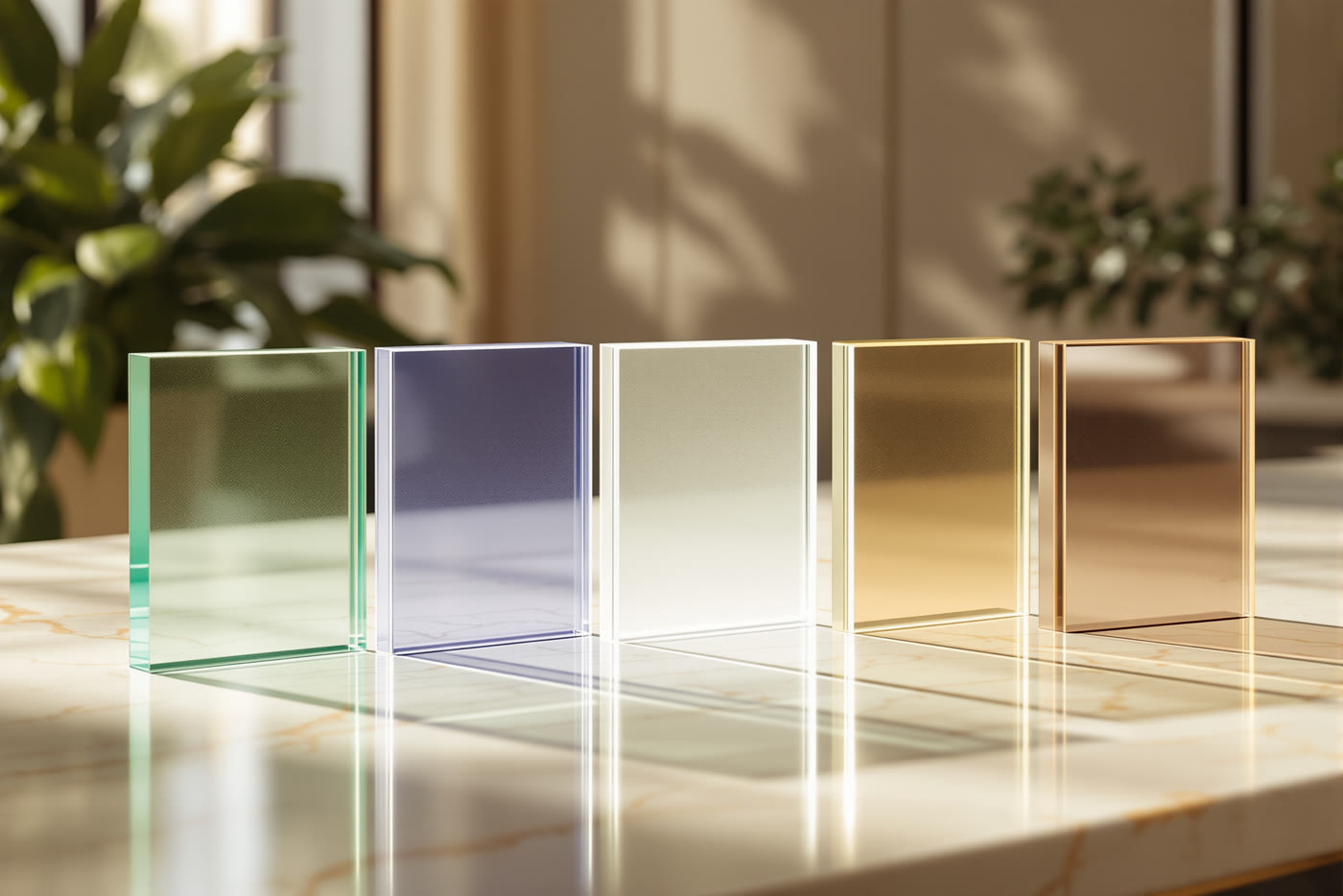
Una mampara o una barandilla se ve cada día durante años. Elegir bien el cristal y los herrajes cambia cómo se ve, cómo se limpia y cómo envejece. Estas son las ideas generales que Raudel repasa con cada cliente.
Templado o laminado
El cristal templado es el habitual en mamparas. Pasa por un tratamiento de calor que lo hace más resistente y, si llega a romperse, se deshace en trozos pequeños y sin filo cortante.
El cristal laminado une dos hojas con una lámina intermedia. Si se rompe, esa lámina mantiene los trozos unidos. Por eso es frecuente en barandillas, donde importa que el cristal siga en su sitio.
Transparente, extraclaro o mateado
- Transparente: el más común. Mirado de canto tiene un ligero tono verde.
- Extraclaro (bajo en hierro): se ve más blanco y neutro, sobre todo en piezas grandes.
- Mateado o satinado: deja pasar la luz y da privacidad. Muy práctico en baños y divisiones.
¿Qué grosor necesito?
Depende del uso de la pieza, de su tamaño y de las normas locales. Por eso Raudel no da un grosor de memoria: primero mide y luego te recomienda el adecuado para tu caso.
Herrajes: el acabado también cuenta
Bisagras, tiradores y soportes se ven tanto como el cristal. Los acabados más pedidos son cromo, negro mate, oro cepillado y níquel cepillado. Cada uno cambia el aspecto del conjunto y también su cuidado: unos disimulan mejor que otros las huellas y las marcas de agua.
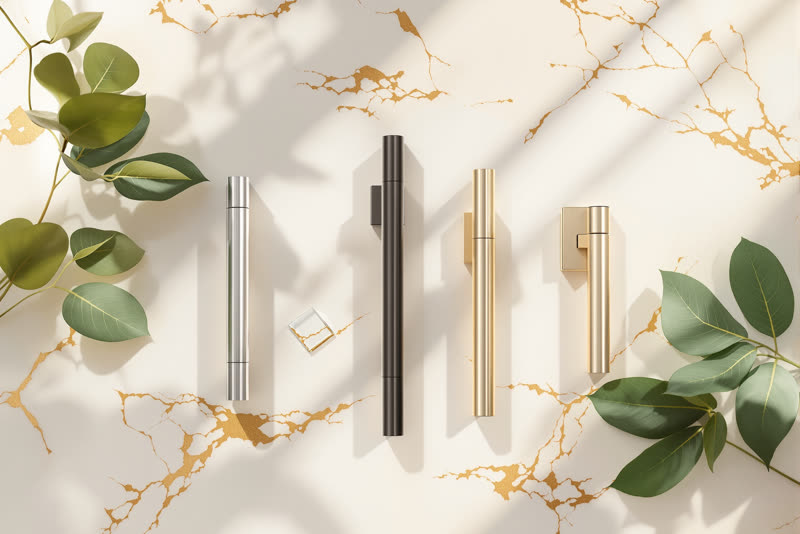
En exteriores y cerca del mar, elige herrajes resistentes a la corrosión. El aire salino del suroeste de Florida castiga el metal, y un buen herraje mantiene el conjunto firme y con buen aspecto durante más tiempo.
Un extra opcional: el tratamiento protector
Algunos cristales pueden llevar un recubrimiento protector que ayuda a que el agua resbale y deje menos marcas. No es imprescindible, pero facilita la limpieza del día a día.
A shower enclosure or a railing is something you see every day for years. Choosing the right glass and hardware changes how it looks, how it cleans and how it ages. These are the general ideas Raudel goes over with every client.
Tempered or laminated
Tempered glass is the usual choice for showers. A heat treatment makes it stronger, and if it ever breaks, it crumbles into small pieces with no sharp edges.
Laminated glass joins two sheets with an interlayer. If it breaks, that interlayer holds the pieces together. That is why it is common in railings, where it matters that the glass stays in place.
Clear, low-iron or frosted
- Clear: the most common. Seen from the edge, it has a slight green tint.
- Low-iron (extra clear): looks whiter and more neutral, especially in large pieces.
- Frosted or satin: lets the light through and gives you privacy. Very handy in bathrooms and partitions.
What thickness do I need?
It depends on how the piece is used, its size and local rules. That is why Raudel never quotes a thickness from memory: he measures first and then recommends the right one for your case.
Hardware: the finish matters too
Hinges, handles and clamps are as visible as the glass. The most requested finishes are chrome, matte black, brushed gold and brushed nickel. Each one changes the look of the whole piece and how you care for it: some hide fingerprints and water marks better than others.
Outdoors and near the sea, choose corrosion-resistant hardware. Southwest Florida's salt air is hard on metal, and good hardware keeps everything firm and looking good for longer.
An optional extra: a protective coating
Some glass can take a protective coating that helps water run off and leave fewer marks. It is not essential, but it makes everyday cleaning easier.